Noticia
New vs. Used School Buses: What’s the Best Investment for Private Schools and Churches?
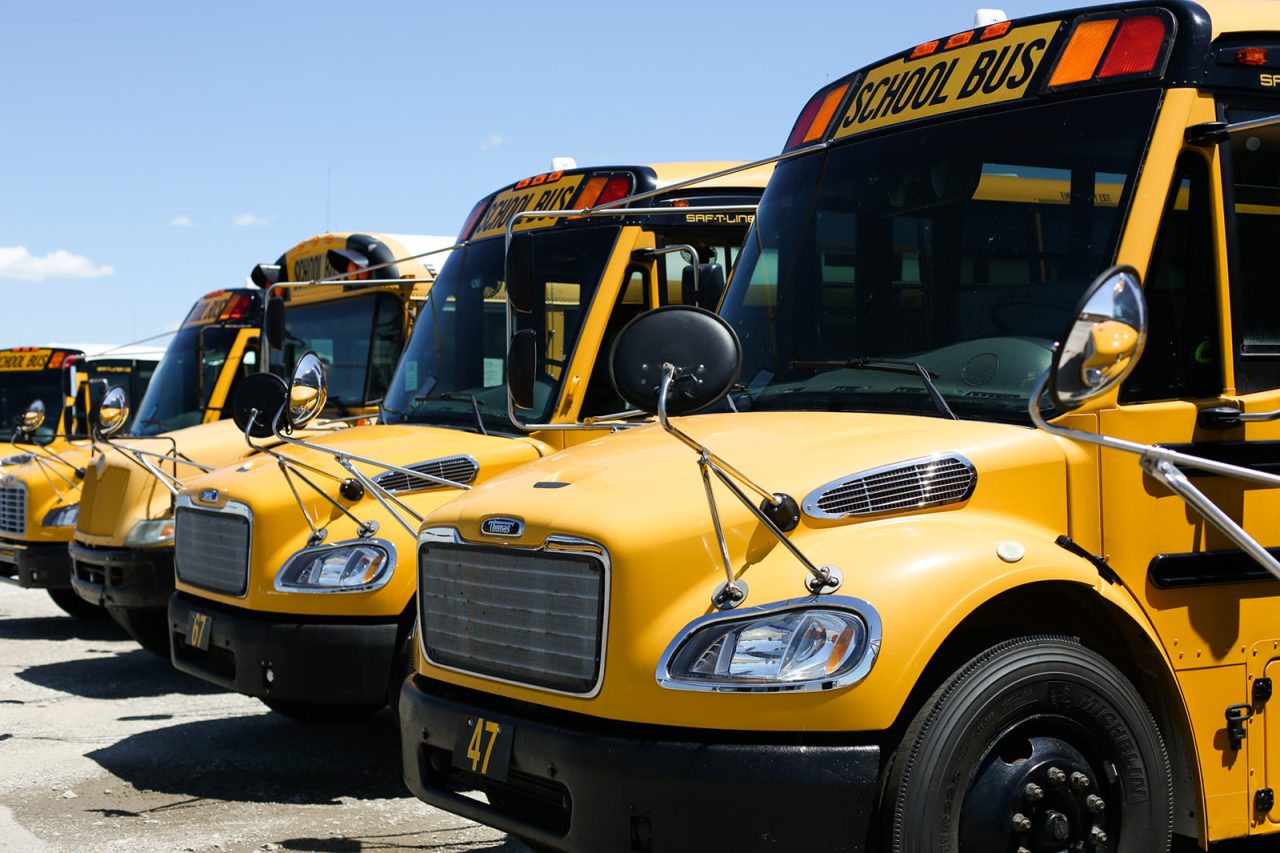
For private schools and churches, a school bus isn’t just transportation—it’s an investment in your community. Whether it’s for daily student routes, weekend youth trips, or mission work, choosing between a new or used bus means balancing cost, long-term practicality, and total ownership expenses.
Public school districts often have access to state-funded budgets and fleet replacement programs, but private organizations must carefully allocate every dollar. Without government funding to offset costs, the decision between buying new or used isn’t just about the sticker price—it’s about ensuring safe, dependable transportation that aligns with your organization’s needs and resources.
This guide breaks down the key considerations of buying new versus used, helping you make the best decision for your school or church.
The Case for Buying a New Bus
A brand-new bus offers peace of mind with full warranties, modern safety features, and lower maintenance costs in the early years of ownership. While the higher upfront cost may seem daunting, many organizations find the long-term savings and dependability worth the investment. For schools and churches that rely on consistent, trouble-free transportation, buying new can help avoid the unpredictability of frequent repairs and downtime.
Lower Maintenance and Warranty Protection
New buses come with factory warranties that cover major repairs for several years, significantly reducing unexpected maintenance expenses. In the first few years, a new bus will typically require only routine servicing—oil changes, brake inspections, and other standard upkeep—rather than costly part replacements or major mechanical work.
Upgraded Safety and Fuel Efficiency
Newer buses come equipped with the latest safety features, such as electronic stability control, backup cameras, and lap/shoulder seat belts. They also tend to be more fuel-efficient, with improved engine designs and the option for an electric model, which can lower operating costs over time.
Financing Options and Longevity
While a new bus requires a greater initial investment, many manufacturers and dealers offer financing options to help spread out costs. A new bus can last well over a decade with proper maintenance, giving private schools and churches a dependable vehicle that won’t need replacing anytime soon.
When a New Bus Makes Sense
A new bus is the best choice if long-term reliability, modern safety features, and reduced maintenance costs are top priorities. Organizations that plan to use their bus regularly for many years may find that the added expense is justified by the extended lifespan and lower repair costs.
However, for those working with tighter budgets or using their bus less frequently, a well-maintained used bus may offer better value.
The Case for Buying a Used Bus
For many private schools and churches, a used bus is the most practical option. Purchasing a reliable, pre-owned bus significantly reduces upfront costs while still providing safe and dependable transportation.
Lower Purchase Price and Insurance Costs
One of the biggest advantages of buying used is the lower upfront cost. Used buses are significantly cheaper than new models, allowing organizations to invest in other essential areas. In addition to the initial savings, insurance costs for used buses are often lower, helping further reduce ongoing expenses.
Immediate Availability
New buses can have long wait times due to production schedules, while used buses are typically ready for immediate purchase. If your organization needs a bus quickly, buying used can help avoid delays in service.
Potential Trade-offs
While used buses cost less initially, they may require more frequent repairs, especially if they weren’t well-maintained by the previous owner. It’s important to purchase from a reputable dealer that will inspect and service their used inventory. Additionally, older models may lack some of the newest safety and fuel efficiency upgrades found in new buses.
When a Used Bus Makes Sense
A used bus is ideal for organizations that need an affordable transportation solution without the long-term financial commitment of a new purchase. If the bus will be used infrequently—such as for occasional church trips or seasonal activities—the cost savings of buying used may outweigh the benefits of purchasing new.
Other Factors to Consider
Driver Requirements and Licensing
Many schools and churches are opting for 14-passenger Type A buses because they do not require a Commercial Driver’s License (CDL) to operate. This makes it easier to find and retain drivers without needing to cover the cost and time of CDL training. While larger buses provide more seating capacity, smaller buses can be a more practical choice for organizations with limited access to CDL-certified drivers.
Balancing Fleet Needs and Passenger Capacity
Organizations with fluctuating passenger numbers may need to evaluate whether two smaller buses are a better option than one larger bus. If a Type A bus costs about $3,148 per year to fuel and a Type C bus costs around $6,345 annually, the decision isn’t just about fuel costs—it’s about how many students need transportation. Two Type A buses might provide more flexibility in scheduling, but a single Type C bus may be more cost-effective if it meets all transportation needs.
Making the Right Decision for Your Organization
Choosing between a new or used bus isn’t just about the price tag—it’s about finding the best fit for your needs, budget, and long-term transportation plans.
A new bus offers lower maintenance costs, modern safety features, and better fuel efficiency, making it a great choice for organizations that plan to use their bus frequently for many years.
A used bus provides an affordable option that still offers safe and reliable transportation, especially for groups that only need a bus occasionally or have budget constraints.
If you’re weighing your options, Kerlin Bus Sales can help. Whether you’re looking for a dependable used model or exploring the benefits of buying new, our team can guide you toward the right choice for your budget and transportation needs. Contact us today to learn more about available inventory and financing options.