Noticia
Before You Buy: A Practical Checklist for Used School Buses
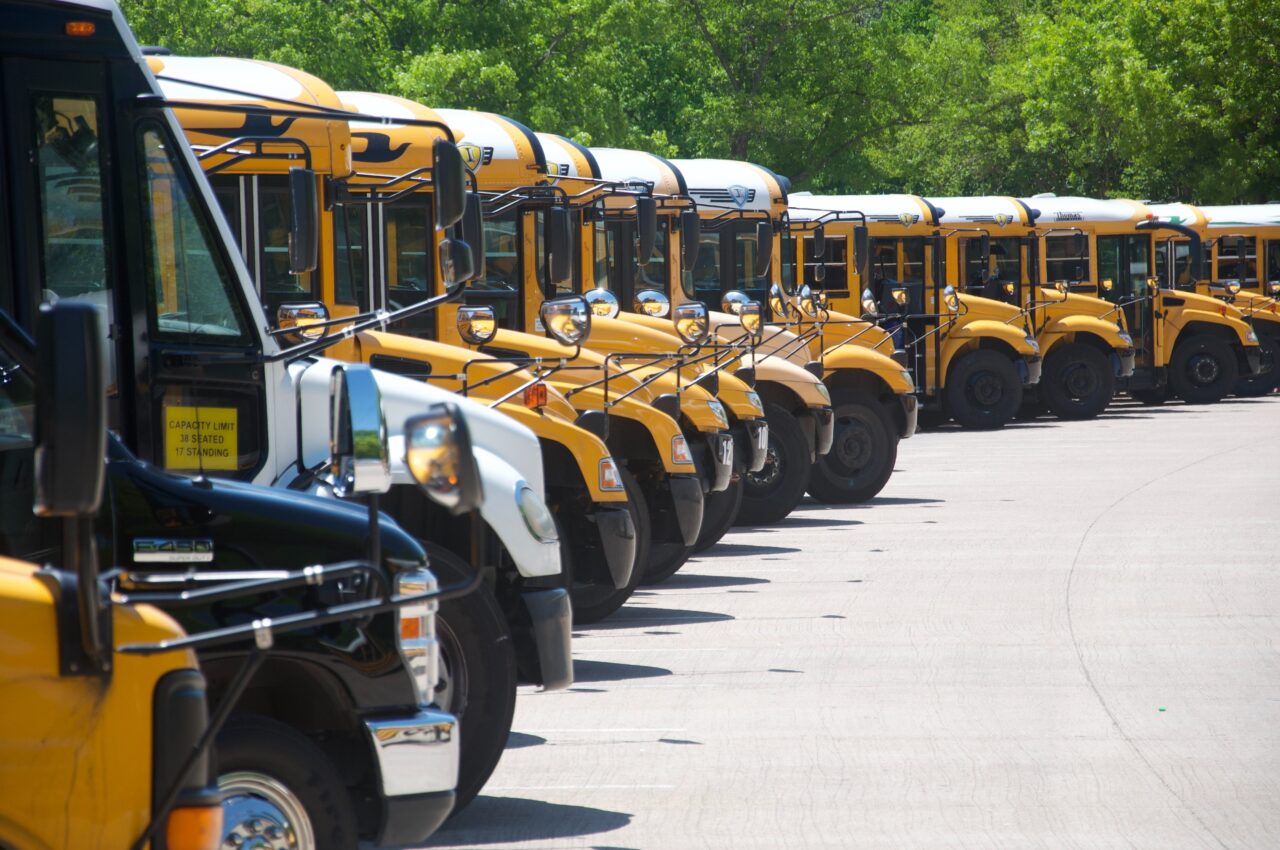
Not every organization needs a brand-new bus. For example, private schools and churches—where budgets can be tighter and routes more limited—often find that buying used is often the smartest option. But it’s also a purchase that deserves care.
Unlike when buying a used car, buying a used bus comes with layers of complexity. Safety standards. Passenger capacity. And if you’re not careful, a great-looking bus on the surface could lead to costly surprises later on.
This guide breaks down what to check, what to ask, and what to consider before signing on the dotted line.
1. Exterior and Structural Condition
Start with a slow, thorough walkaround. You’re not just checking for dents and scratches—you’re evaluating how the bus has weathered time and use.
Frame and body: Surface rust is normal on older buses, especially in northern climates, but deep corrosion near structural components, wheel wells, or undercarriage mounts can indicate more serious deterioration.
Windows and seals: Look for cracked or foggy windows, brittle gaskets, or signs of past leaks. Water damage inside the bus often starts here.
Entry doors and hinges: Do they open smoothly and seal properly? Difficulty here could point to past frame damage or poor repairs.
Paint and decals: Faded paint isn’t a dealbreaker—but large mismatched panels could suggest a major repair that needs investigation.
2. Interior Condition and Seating
Once inside, pay close attention to how the bus looks, smells, and feels. Small details here often tell a story about how well it’s been cared for.
Seat condition: Torn upholstery, exposed padding, or missing hardware isn’t just cosmetic—it could violate safety standards, especially if sharp edges are present.
Flooring: Soft spots underfoot, water staining, or musty smells could indicate past or ongoing leaks. Lift a corner of the floor mat if possible to check subfloor integrity.
Lighting and panels: Check dome lights, switches, and dashboard indicators. Inconsistent or missing functionality may point to neglected electrical systems.
Emergency equipment: Verify that exit windows, hatches, and signage are in place and operational. Non-compliance here could impact inspections or require costly retrofitting.
3. Mechanical and Safety Components
This is where a basic visual inspection isn’t enough. If you don’t have in-house expertise, bring along a mechanic or request a pre-sale inspection from a certified technician.
Brakes and suspension: Listen for squeaking or grinding. Uneven tire wear often indicates alignment or suspension issues. If the bus sags to one side, that’s a red flag.
Steering and handling: During a test drive, the wheel should return to center smoothly, with no play or vibration. Any pulling could signal steering gear problems.
Engine and fluids: Look for excessive oil residue, coolant leaks, or white smoke on startup. Pop the hood and inspect belts and hoses for cracks or fraying.
Transmission: Hesitation or jerky shifts—especially under load—are common in aging buses and costly to repair.
Safety systems: Test the horn, mirrors, backup alarm, and any cameras or sensors if equipped. If they’re not working, factor repair costs into your budget.
4. Capacity, Licensing, and Operational Fit
Not every bus fits every route—or every driver. Here are some factors to consider around choosing the right bus for your needs:
Capacity: Make sure the bus’s passenger count aligns with your needs. For small groups, a 14-passenger Type A bus might do the job—and often without requiring a CDL-certified driver. That licensing detail can influence who in your organization is legally allowed to operate it.
Bus type: Type A (small), Type C (conventional), and Type D (transit-style) all serve different purposes. Don’t buy bigger than you need just because it’s available.
Clearance and maneuverability: If your routes involve tight parking lots, sharp turns, or low bridges, evaluate the bus’s turning radius and overall height.
Climate considerations: Heated mirrors, working defrost, and AC might not be top-of-mind—but in extreme weather regions, these features improve comfort and safety.
Final Thoughts: Know What You’re Getting Into
A used bus can be a smart, budget-friendly investment—as long as you know what to look for. Prioritize mechanical soundness, condition of interior and exterior components, and a layout that suits your riders. And when in doubt, don’t be afraid to ask for help.
Kerlin Bus Sales offers a range of thoroughly inspected pre-owned buses and expert guidance to help you find the right fit. Whether you’re replacing a single bus or building your first fleet, our team is here to help you move forward with confidence.