News
The Summer 2024 Ultimate School Bus Maintenance Checklist
After yet another busy school year, bus drivers and fleet managers everywhere are ready for a well-earned break. But even as the weather warms up and summer break arrives, it’s already time to start preparing for the 2024-2025 academic year.
Proactive maintenance during the summer months can prevent breakdowns and keep your buses running smoothly and safely. In this guide, we'll cover the essential maintenance tasks to complete before the start of the new school year.
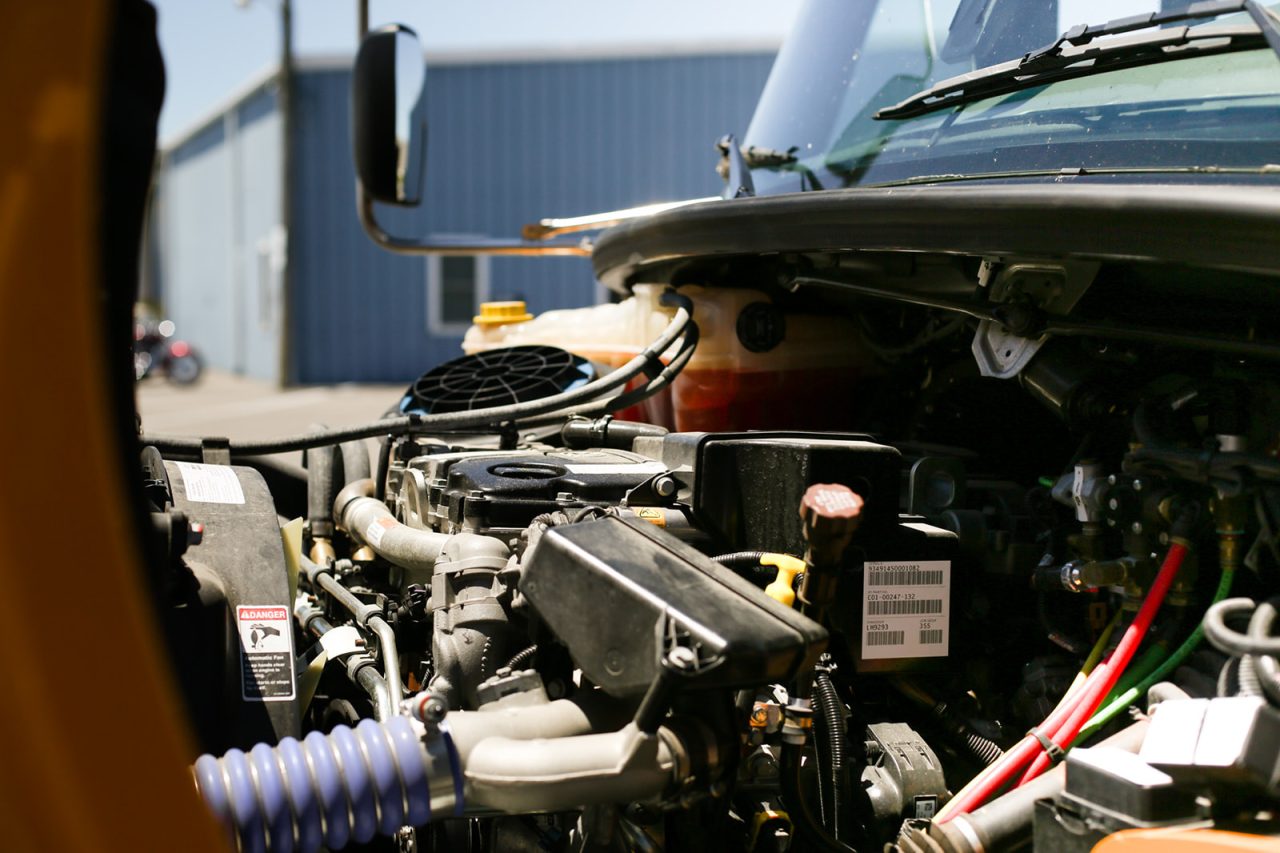
Brake Inspection and Service
Maintain optimal braking performance through regular inspections of brake pads, rotors, calipers, and brake fluid. Signs of wear, such as grinding noises, vibrating pedals, or a soft brake pedal, indicate potential issues that require immediate attention.
Brake pad thickness should be regularly measured, with replacement typically recommended when hydraulic pads reach 4.8 mm, air 6.4mm, or air disc 3.2mm. Additionally, hydraulic brake systems should be inspected for leaks and topped up with brake fluid as needed, following manufacturer guidelines.
Tire Inspection
A thorough inspection of tire tread depth, pressure, and overall condition is essential to prevent accidents and ensure smooth rides. Tread depth should be measured regularly, with replacement recommended when tread depth reaches 4/32 of an inch or less.
Signs of uneven wear, bulges, cracks, or punctures indicate potential tire issues that require immediate attention. Tire pressure should be checked at least monthly, following manufacturer recommendations, to ensure optimal performance and fuel efficiency.
Fluid Checks
Regular checks and maintenance of engine oil, coolant, transmission fluid, and more are essential to prevent breakdowns and costly repairs. Engine oil should be checked at regular intervals, and changed at intervals depending on oil type, driving conditions, mileage, and sometimes the ambient air temperature. Coolant levels should be monitored to prevent overheating, with coolant flushes recommended every 30,000 to 50,000 miles.
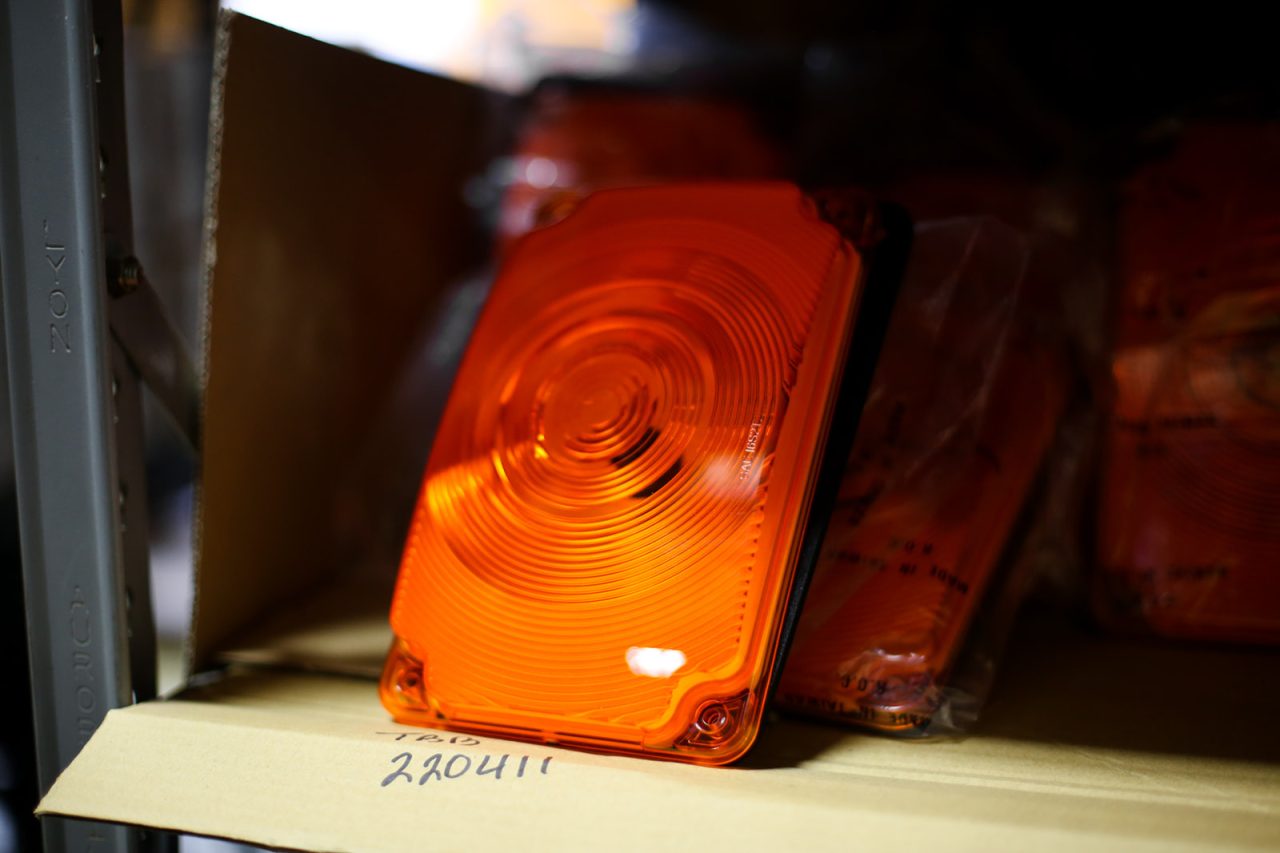
Electrical System Inspection
From lights to signals, every electrical component plays a vital role in passenger safety and comfort. Signs of electrical issues, such as flickering lights, blown fuses, or malfunctioning signals, indicate potential problems that require immediate attention.
Battery terminals should be checked regularly for corrosion and cleaned as needed to ensure a reliable electrical connection. Finally, be sure to get your battery, alternator, and other electrical components tested in case anything needs to be replaced before the busy school year begins.
Power Steering Fluid Filter
Don't overlook the power steering system when conducting maintenance. Regular servicing of the power steering fluid filter, typically every 48,000 miles or every 24 months, is essential to keep your power steering system fully functional and prevent steering failures. Neglecting this task can seriously compromise vehicle operation, not to mention driver and student safety.
Transmission Service
Maintaining your transmission is crucial for the overall performance and longevity of your buses. We recommend servicing the transmission every 50,000 to 100,000 miles, depending on manufacturer recommendations. Failure to perform the recommended service when it’s due could cause early transmission failure, which is both unsafe and expensive.
It’s important to pay attention to the prognostic recommending transmission service, rather than just clear it out. Be sure to only use Allison Transmission approved fluids and filters, and don’t mix transmission fluids. These steps will help you preserve transmission integrity and prevent premature wear.
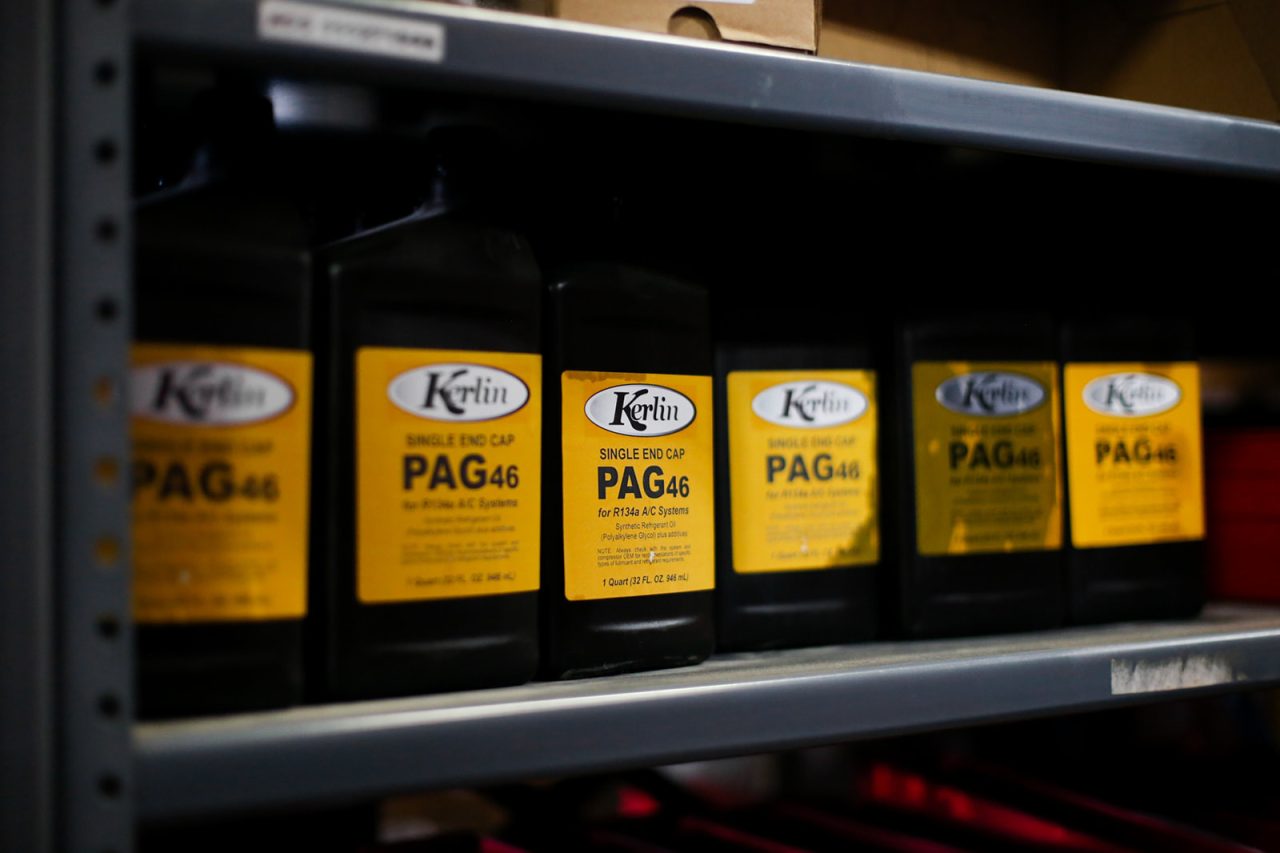
Air Conditioning System Inspection (AC)
We’ve already had several warm days, and there are more to come. Ensure that your buses' AC systems are in optimal condition before the summer heat really sets in. Here’s a 4-part AC checklist that can help prevent headaches down the road:
1. Compressor
Does the compressor come on and cycle? If you’re unsure as to whether your compressor is running properly, feel free to contact us for assistance.
2. AC Lines
Inspect your entire system for wet or damaged lines. Pay special attention to underneath your buses that have body AC. Replace any lines that have suffered damage, and be sure to follow safety protocols and maintenance best practices throughout.
3. Fans
Condenser fans are critical for AC operation, as the heat removed from the cabin has to be discharged efficiently. If the system overheats, all the freon can be lost, causing system damage. The number of fans and their location will depend on your system, so be sure to familiarize yourself with their locations and ensure they are all fully functioning.
4. Filters
As with other parts of your school bus, it’s important to keep filters as clean as possible for maximum efficiency. Change or clean any filters that may be present, and you’ll be ready to go for the summer months.
Heater Filter Maintenance
Just as it’s important to make sure your AC is in top condition, it’s always good to make sure your fleet is prepared for colder weather by maintaining the heating system. One of the main maintenance tasks is to clean and inspect heater filters annually, preferably before the start of the heating season, to ensure efficient heating and passenger comfort.
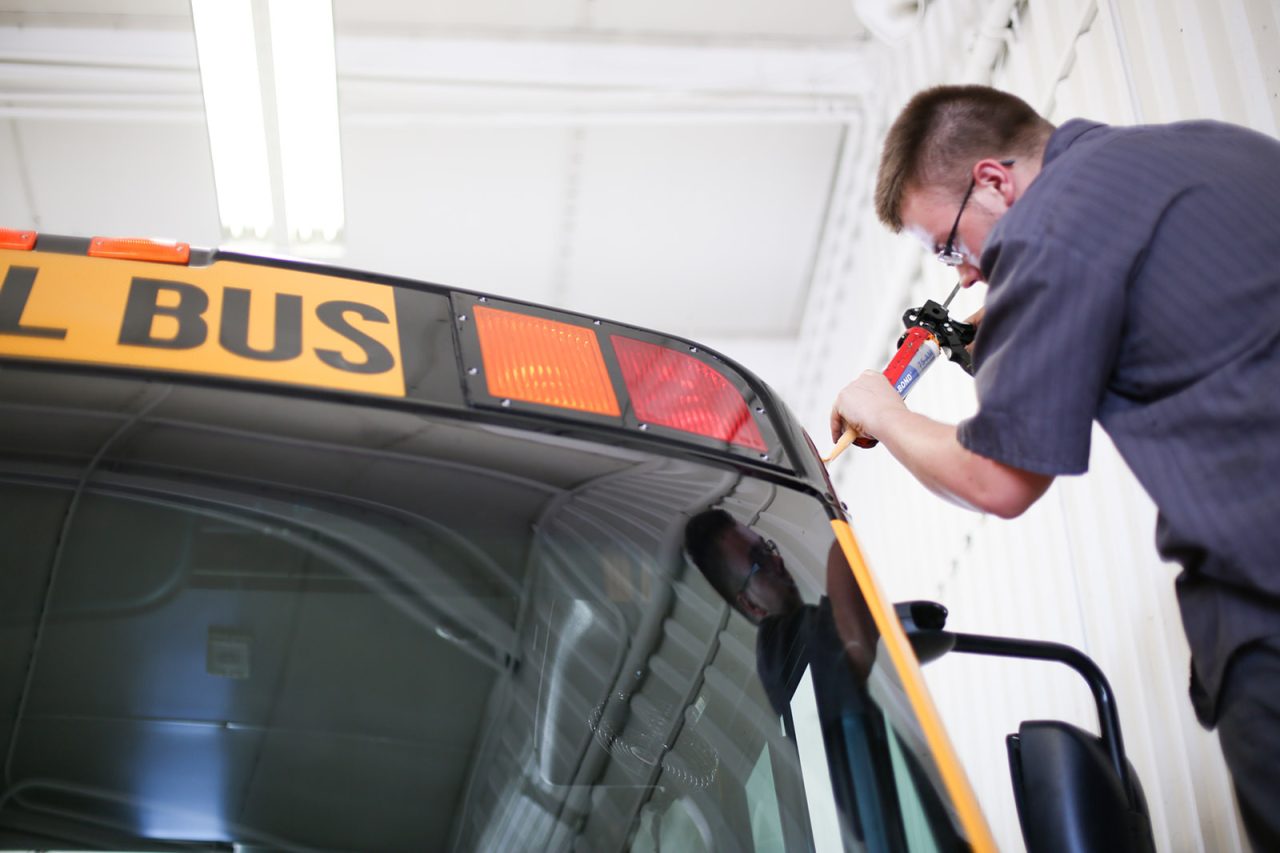
Exterior Inspection & Repair
The exterior of a school bus serves as its first line of defense against the elements, protecting passengers and equipment from harm. Regular inspections of the body, doors, windows, and more help identify any damage or wear that could compromise safety.
Signs of damage, such as dents, scratches, or rust spots, should be addressed promptly to prevent further deterioration. Door seals and window seals should be checked regularly for signs of wear or damage, with replacement recommended if necessary to maintain weatherproofing and structural integrity.
Washing and waxing will also help prevent rust and paint fade. Additionally every few years power washing the undercarriage and re-undercoating can greatly prevent rust damage.
Emergency Equipment Inspection
Regular inspections of emergency equipment, from fire extinguishers to first aid kits, ensure that drivers are equipped to respond quickly and effectively when needed. Fire extinguishers should be checked monthly for pressure and damage, with replacement recommended every 5 to 15 years, depending on the type.
First aid kits should be inspected regularly for completeness and expiration dates, with expired items replaced promptly. Emergency exits and evacuation procedures should be reviewed and practiced regularly to ensure passenger safety in the event of an emergency.
Interior Cleaning and Sanitization
A clean and sanitary interior creates a safe and welcoming environment for passengers and drivers alike. High-touch surfaces, such as handrails, seats, and seat belts, should be cleaned and sanitized regularly using EPA-approved disinfectants. Be sure to use products as described to prevent damage to surfaces.
Flooring and upholstery should be vacuumed regularly and deep cleaned as needed to remove dirt, debris, and allergens. Finally, ventilation systems should be inspected and cleaned regularly to ensure optimal air quality and circulation throughout the bus interior.
Conclusion
By following this comprehensive maintenance guide, you can keep your school bus fleet safe, reliable, and efficient throughout the academic year. Remember to consult manufacturer guidelines for specific maintenance procedures and intervals. Likewise, feel free to contact us if you need any support in maintaining your fleet, whether for parts, service, or purchasing.