News
Wired for the Future: Inside the Next-Gen Thomas C2 Jouley
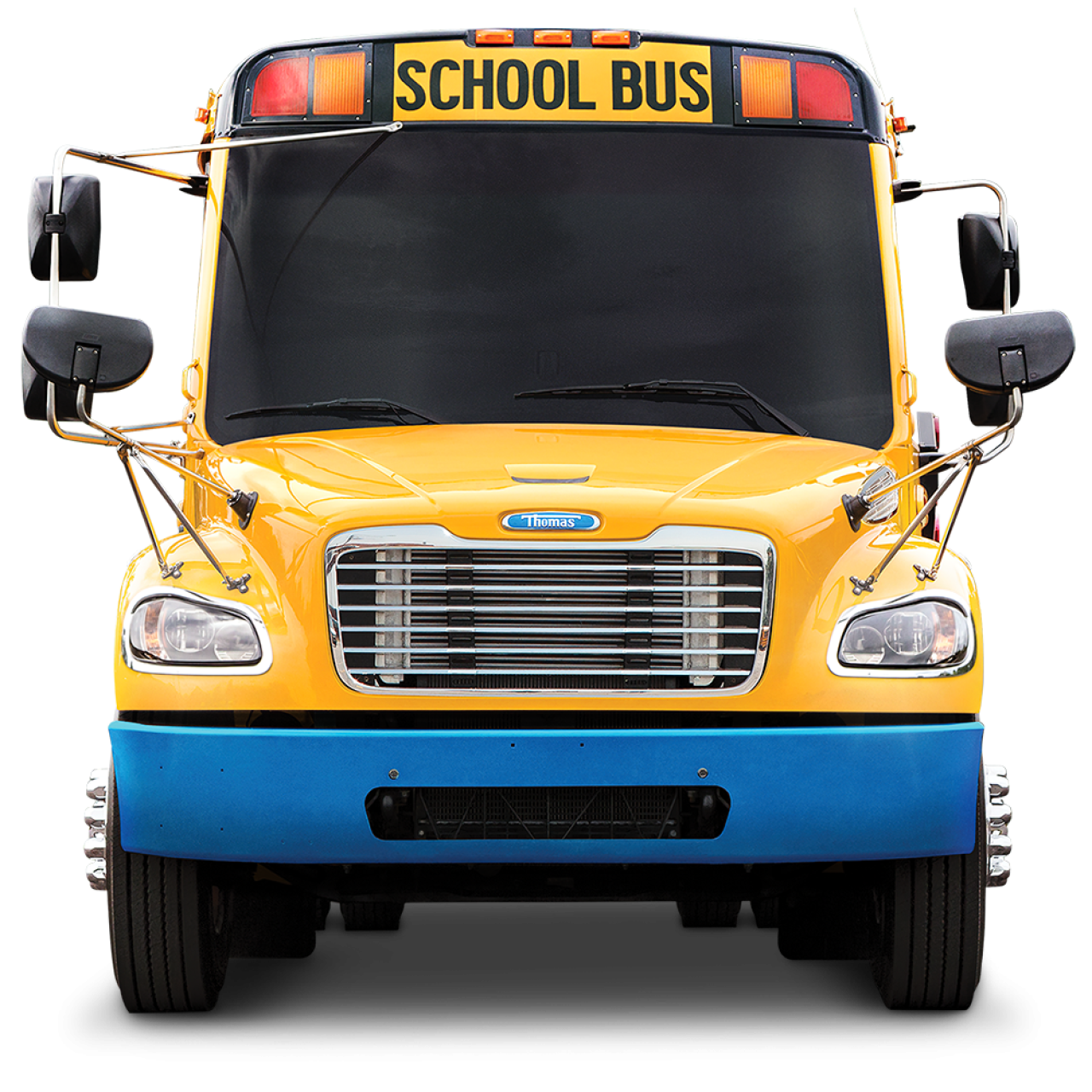
The shift to electric school buses isn’t just an industry trend—it’s a conversation happening in districts across the country. As fleet managers weigh their options, they’re looking for models that don’t just promise innovation but actually deliver on efficiency, maintenance savings, and long-term practicality.
That’s where the next-generation Saf-T-Liner C2 Jouley comes in. Designed by Thomas Built Buses, this latest iteration refines what an electric school bus can be, offering meaningful improvements without sacrificing what schools and transportation teams already rely on.
With a more powerful eAxle, an industry-leading 246 kWh battery, and smarter fleet management tools, the second-gen Jouley is built for real-world demands. But what’s changed under the hood? And what do these advancements mean for school fleets? Let’s take a closer look.
A Leap Forward: What’s New in the Next-Gen Jouley
The first-generation Jouley helped introduce all-electric student transportation, but the next-gen model builds on that foundation with key upgrades that enhance efficiency, safety, and ease of operation for school fleets.
Accelera 14Xe eAxle – By integrating the electric motor directly into the axle, the Jouley improves torque and acceleration, providing smoother performance with fewer mechanical components to maintain.
246 kWh Battery – The largest standard battery in the industry extends range while reducing charging downtime, allowing fleets to cover more ground on a single charge.
Shorter 219” Wheelbase Available – A more compact design improves maneuverability, making the bus easier to navigate in tight school zones and congested streets.
Bendix® Intellipark® Braking System – Automatically engages the parking brake to prevent rollaways, improving safety for drivers and students.
Upgraded Digital Dash & Telematics – Provides real-time diagnostics and fleet tracking, helping operators optimize routes and schedule maintenance proactively.
These upgrades don’t just improve specs on paper—they address real-world challenges that fleet operators face daily, making the Jouley a more efficient, easier-to-maintain, and safer choice for school transportation.
How It Compares: Diesel vs. Electric Jouley
Switching from diesel to electric isn’t just about sustainability—it’s also a shift in performance, maintenance, and long-term costs, with major impacts on how school fleets operate.
With a diesel bus, daily operation comes with engine warm-up times, frequent oil changes, and fuel system maintenance—all of which add up over time. The Jouley eliminates these concerns with instant torque, fewer moving parts, and no fuel costs at all. This difference is especially noticeable in stop-and-go school routes, where electric drivetrains reduce strain on braking systems and improve overall efficiency.
Fleet managers don’t need to be reminded that maintenance is always front of mind—they deal with it every day. Keeping a diesel fleet running means managing emissions controls, fuel injector servicing, and ongoing exhaust system upkeep, each adding to long-term expenses. The Jouley removes many of these variables, requiring fewer scheduled service intervals and eliminating oil changes altogether.
Charging and energy efficiency also set the Jouley apart. With vehicle-to-grid (V2G) technology (where available), districts can sell excess energy back to the grid during off-hours, turning unused power into a potential revenue stream.
Although the upfront cost of an electric bus is higher, districts that factor in long-term fuel savings, reduced maintenance, and available incentives often find that the total cost of ownership comes out lower over time.
How the Jouley Improves Fleet Management & Daily Operations
Beyond performance and cost efficiency, the Jouley brings practical advantages that improve fleet management and daily operations.
Smarter Fleet Monitoring with Real-Time Telematics
The updated digital dash and telematics system gives fleet operators real-time insights into battery life, route efficiency, and diagnostics. This level of visibility helps prevent unexpected downtime, optimize maintenance schedules, and improve overall fleet performance.
Quieter, More Comfortable Rides
Diesel buses come with engine noise, vibration, and emissions—all of which affect both drivers and students. The Jouley’s quieter operation creates a more comfortable ride, reduces driver fatigue, and improves communication onboard.
Meeting Sustainability Goals & Leveraging Incentives
With state and federal grants available, the financial barrier to adopting EV fleets is lower than ever. Many districts are also prioritizing sustainability, and electric buses play a key role in reducing emissions while future-proofing transportation systems.
By investing in electric buses, school districts aren’t just lowering emissions—they’re reducing operating costs, streamlining fleet management, and modernizing student transportation.
A Smarter, More Sustainable Future for School Transportation
The second-generation Saf-T-Liner C2 Jouley isn’t just an upgrade—it’s a shift in how school districts think about fleet efficiency, maintenance, and long-term costs. With better performance, lower operational expenses, and cutting-edge safety features, it provides a compelling alternative to diesel-powered buses.
As more districts explore electric adoption, the Jouley stands out as a real-world solution for safer, more sustainable, and cost-effective student transport. If you're considering an electric bus for your fleet, Kerlin Bus Sales can help you evaluate your options and find the best fit for your district’s needs. Contact our team today to learn more.